Training Information and Coaching Services for Cyclists of all Abilities


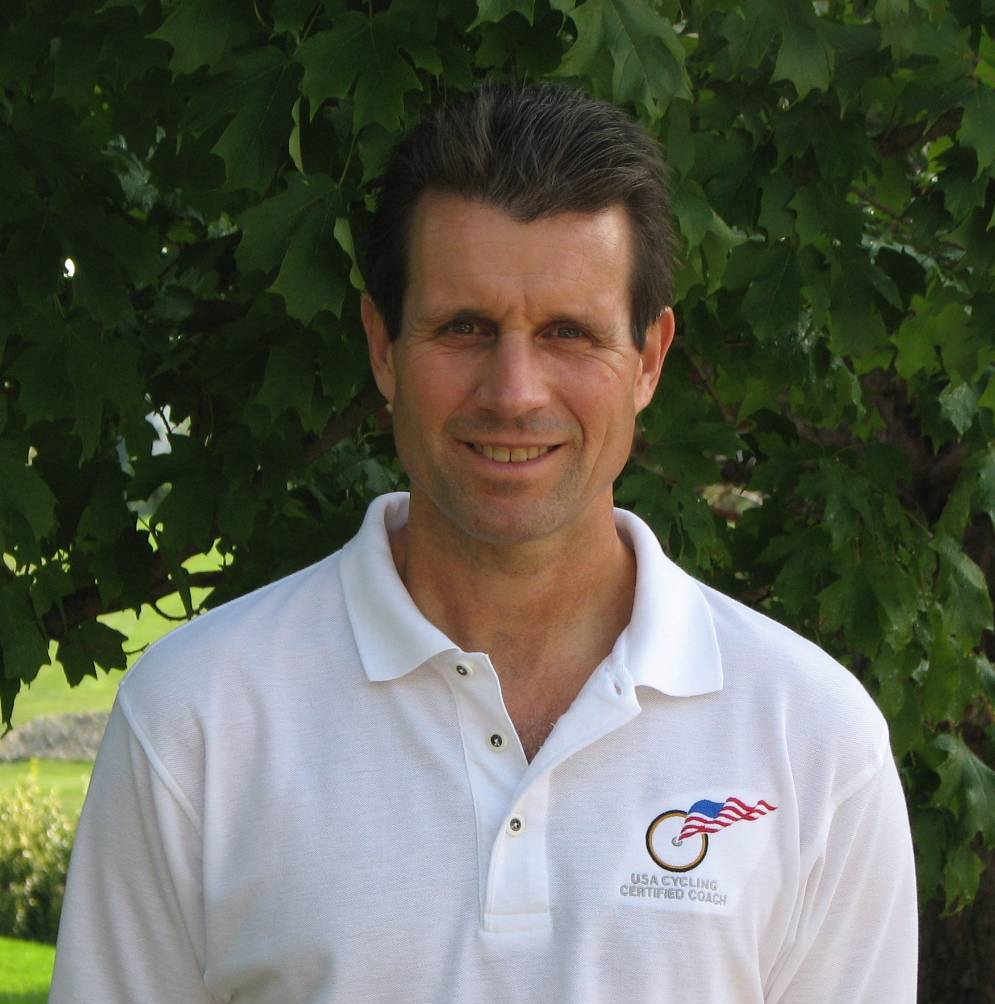
I am a licensed USA Cycling Level 1 (Elite) Cycling Coach and a coach with the Peaks Coaching Group.
I enjoy sharing my years of training and racing experience and love of cycling with recreational and competitive individuals and teams. I offer training plans, ebooks, training articles, and in-person and distance cycling coaching. I would be happy to talk with you about achieving your cycling goals, whatever they may be.
How to spend your money to get faster
Why do I need a cycling coach?
- a beginning cyclist wanting to get better at cycling
- a fitness cyclist want to get faster or lose weight
- a recreational cyclist training for a ride, tour or fondo
- a competitive cyclist wanting to improve your race results
You don't have to be a racer to have a coach. As a matter of fact, most people I've coached have not been competitive cyclists. They are just people who enjoy cycling and want to get better.
Are you wanting to improve substantially over what you have been able to do on your own? Then consider getting help. I offer various options, including training plans and coaching services. Look around this website to see what is available. And be sure to check out my Articles where I have posted a large number of my free training articles.
David Ertl is an Elite Coach with the Peaks Coaching Group. We are the experts; we wrote the book on power training. Hunter Allen’s proprietary system of data-driven power training focuses on getting you the results you want in the time you have. Our cycling coaching will help you reach your goals through diagnosis of training needs, development and application of the right training plan, training zone maintenance, and clear focus on peaking.
Learn more about Coach David Ertl's experience and philosophy of coaching.
I am a veteran coach with the JDRF Ride To Cure Diabetes charity ride program. This JDRF program works with participants who train and take part in one of several JDRF Rides during the summer, in places such as Sonoma CA, Death Valley La Crosse WI and Amelia Island, FL. Participants raise money for their ride, which goes to support research into finding a cure for Type 1 Diabetes. Most particpants do not start off as elite cyclists. They tend to be beginners and some even have to go buy a bike first. By the end of the season some are able to ride a century ride. I have served as a coach for this wonderfulprogram since 2004.
Learn more about this program here.
Register's Annual Great Bike Ride Across Iowa
I am the online coach for RAGBRAI. I offer training tips throughout the season leading up to this largest cycling tour in the country. Every July, more than 10,000 cyclists dip their rear tires in the Missouri River and then ride their way across the rolling countryside and finish by dipping their front tire in the Mississippi River, 400-500 miles later. If you are a self-proclaimed cyclist, this is one ride you must have on your to-do list. It's much more than a ride, it's an experience of the great state of Iowa and the hospitality of everyone along the way. Come ride Iowa and discover the beautiful rural countryside and find out how flat Iowa... isn't!
Read my training blog here.
RoadBikeRider.com is a fitness and recreational cyclists' website with tons of great information regarding training and equipment, written by and for cyclists."RBR offeres the best, the broadest, and the deepest archive of HOW-TO cycling knowledge on the Internet. Whether you're a new rider or grizzled veteran, we've got info for you that will help you become a better rider and enjoy our shared passion even more."I am a contributing author and have written numerous articles, eBooks and eArticles for this website.
Find out more here.

Des Moines Cycle Club Race Team
I am the coach on the Des Moines Cycle Club Race Team and have been since 2001. The DMCC Race Team prides itself as being a development team that helps people get into the sport of cycling and develop to their full potential. We welcome junior, senior, women and master members on this team. We participate in road, gravel, moutain and cyclocross disciplines
This is the only team in Iowa to have an Elite (Level 1) USA Cycling coach working with our riders to develop their skills.Check us out here.

Make 2024 Your Year!
cated to common sense nutritional information with suggestions on what to eat, how much to eat, and when to eat.
Two chapters discuss how to incorporate the above eating guidelines to support the energy needs of cycling, while still being able to create a calorie deficit.
Coaching
Personalized training programs built around clients’ goals and abilities. Through personal contact and online technology, I'll work with you to develop customized daily training plans designed and provide you with feedback to help you reach your goals.
eBooks
Electronically available downloadable books filled with cycling training information.
"101 Cycling Workouts"
"Training For Busy Cyclists"
"Basics of Cycling Training"
"Pedal Off The Pounds"
eArticles
Electronically available articles you can download immediately. Just $4.99 each.
Training Resources
A variety of recommended training eBooks, programs and products to augment your overall fitness and training program.